
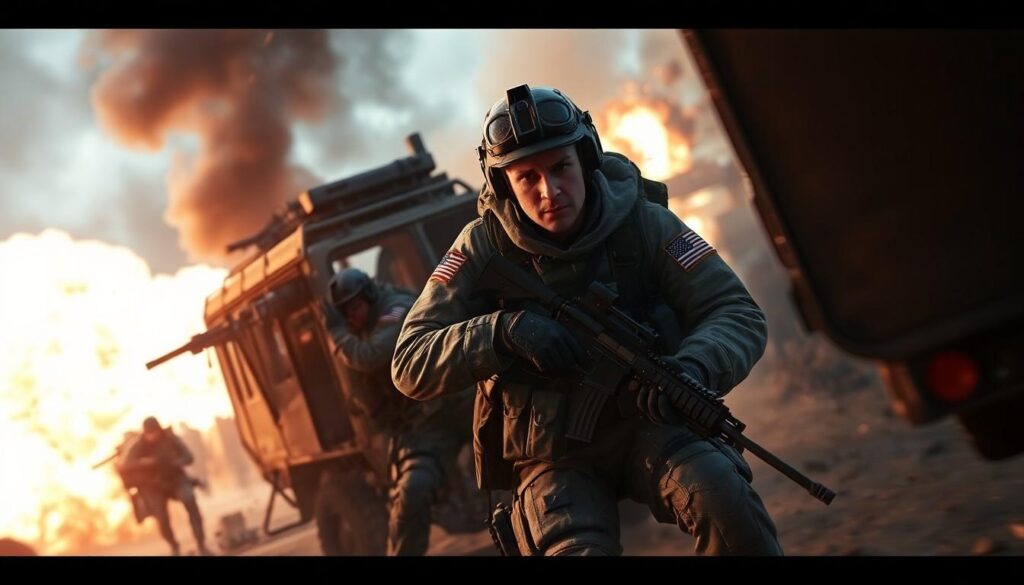
Battlefield games have taken players on epic military adventures since the early 2000s, blending intense combat with stunning graphics and immersive storytelling. From the chaotic streets of modern warfare to the vast deserts of World War II, each installment offers a unique experience that keeps gamers coming back for more. But with so many titles in the franchise, it can feel like trying to assemble IKEA furniture without the instructions—confusing and slightly frustrating.
Navigating the order of Battlefield games isn’t just a matter of chronology; it’s about understanding the evolution of gameplay, mechanics, and narrative. Whether you’re a seasoned veteran or a newcomer looking to dive into the action, knowing which game to play next can enhance your overall experience. So grab your controller and get ready to explore the thrilling journey through the Battlefield universe—because who wouldn’t want to relive those glorious moments of virtual warfare?
Overview of Battlefield Games
The Battlefield series debuted in 2002 with “Battlefield 1942,” introducing players to large-scale battles in World War II. This title set the foundation for future games, emphasizing teamwork and strategy. Its multiplayer experience attracted gamers seeking immersive combat scenarios.
“Battlefield Vietnam” followed in 2004, shifting focus to the Vietnam War. It brought new vehicles and weapons, further enhancing gameplay. Released in 2005, “Battlefield 2” revolutionized the franchise by introducing modern warfare elements and ranked gameplay.
The next significant title, “Battlefield 2142,” appeared in 2006, setting the series in a futuristic context. This installment featured advanced technologies and vehicles, appealing to gamers interested in sci-fi themes. In 2008, “Battlefield: Bad Company” introduced a more narrative-driven approach while maintaining the series’ core gameplay elements.
“Battlefield 3,” released in 2011, marked a major turning point, showcasing stunning graphics and expansive maps. It provided an engaging single-player campaign alongside robust multiplayer options. The series then took a different direction with “Battlefield 4” in 2013, fine-tuning gameplay mechanics and adding dynamic environments.
In 2016, “Battlefield 1” returned to World War I. It showcased a unique perspective with its focus on historical battles and diverse character stories. “Battlefield V,” released in 2018, continued exploring World War II while introducing various squad mechanics for enhanced team play.
The latest entry, “Battlefield 2042,” launched in 2021, features modern warfare in a near-future setting. It introduced new gameplay modes and customization options. Each title in the Battlefield series builds on the previous ones, offering unique themes and gameplay experiences that cater to different preferences in combat scenarios.
Evolution of the Series

The Battlefield series showcases a remarkable evolution since its inception. Each installment introduces new gameplay elements and narratives, creating an ever-expanding universe for players.
Key Milestones
Significant milestones shaped the series’ trajectory. The launch of “Battlefield 1942” in 2002 marked the beginning, offering expansive maps and teamwork-focused gameplay. Following this, “Battlefield 2” in 2005 enhanced the multiplayer experience with modern combat elements. The introduction of “Battlefield 3” in 2011 set a new standard for graphics and storytelling. In 2016, “Battlefield 1” returned to historical themes, receiving acclaim for its World War I setting. The latest title, “Battlefield 2042,” released in 2021, embraces a futuristic theme, emphasizing dynamics of modern warfare and large-scale battles.
Technological Advancements
Technological advancements significantly influenced gameplay and graphics. The Frostbite engine, introduced with “Battlefield: Bad Company,” allowed for destructible environments, changing player interactions. Improved artificial intelligence in “Battlefield 4” created more challenging and realistic gameplay. Each subsequent title utilized cutting-edge graphics to enhance immersion. Enhanced physics engines in “Battlefield 1” and “Battlefield 2042” contributed to lifelike experiences. Innovations in online connectivity and matchmaking further streamlined multiplayer experiences, ensuring that players engage effortlessly.
Order of Battlefield Games
The Battlefield series consists of numerous titles, each contributing to its rich history. Understanding these releases helps players navigate the evolving landscape of the franchise.
Main Series Releases
“Battlefield 1942” launched in 2002, establishing large-scale battles during World War II. Following its success, “Battlefield Vietnam” focused on the Vietnam War, offering players unique gameplay experiences. The release of “Battlefield 2” in 2005 revolutionized multiplayer capabilities with advanced team mechanics. “Battlefield 2142” introduced futuristic warfare, paving the way for innovative gameplay. A shift occurred with “Battlefield: Bad Company,” blending narrative elements with traditional combat. “Battlefield 3” arrived in 2011, praised for its impressive graphics and robust single-player campaign. The game mechanics were further refined with “Battlefield 4” in 2013, enhancing player dynamics. Later, “Battlefield 1” revisited World War I, while “Battlefield V” returned to World War II. The latest entry in the series, “Battlefield 2042,” explores near-future combat, showcasing the franchise’s continuous evolution.
Spin-Off Titles
Several spin-off titles explore unique gameplay aspects within the Battlefield universe. “Battlefield: Bad Company 2” expanded the narrative-driven approach, receiving critical acclaim. “Battlefield Heroes,” a free-to-play game, introduced a cartoonish visual style while retaining core mechanics. “Battlefield Play4Free” allowed players to experience classic content with free access. “Battlefield Mobile” targets mobile gamers, offering battlefield experiences on mobile devices. “Battlefield 1943,” a digital download, focused on key World War II maps and gameplay. Each of these spin-off titles reinforces the franchise’s commitment to innovation while catering to different audiences.
Gameplay Mechanics
The Battlefield series is known for its distinctive gameplay mechanics that enhance player engagement and strategic depth.
Core Features
Battlefield games prioritize large-scale battles, allowing players to engage in intense combat across expansive maps. Vehicle dynamics play a crucial role, with options ranging from tanks to aircraft, each offering unique advantages. Squad-based gameplay emphasizes teamwork, encouraging players to collaborate for tactical success. Destructible environments further immerse players, creating opportunities for strategic advantages and altering the battlefield’s dynamic. The use of class systems allows for diverse playstyles, accommodating everything from snipers to medics, each contributing unique abilities. Game modes such as Conquest and Rush present different objectives, enhancing replayability and engagement.
Multiplayer Experience
The multiplayer experience in Battlefield games is a cornerstone of the franchise. Fast-paced action encourages players to adapt quickly to changing situations. Team coordination remains essential, with players benefiting from communication tools that facilitate strategic discussions. Large player counts, sometimes exceeding 64, amplify the intensity of matchups, leading to epic confrontations. Regular updates and seasonal events introduce new maps and gameplay elements, keeping the community engaged. With support for various gaming platforms, Battlefield ensures accessibility for a wide audience. The blend of competitive and cooperative play allows every session to feel fresh and exciting.
Conclusion
The Battlefield franchise stands as a testament to the evolution of gaming with its rich history and innovative gameplay mechanics. Each title has contributed uniquely to the series’ legacy while catering to a diverse audience. Players can appreciate the depth and complexity of the games as they navigate through various historical and futuristic settings.
With a commitment to enhancing player experience through technological advancements and engaging multiplayer modes, the Battlefield series continues to thrive. Whether someone’s a seasoned veteran or a newcomer, understanding the order of the games can significantly enhance their journey within this expansive universe. The Battlefield experience remains one of intense action and strategic depth, promising countless hours of immersive gameplay.

