
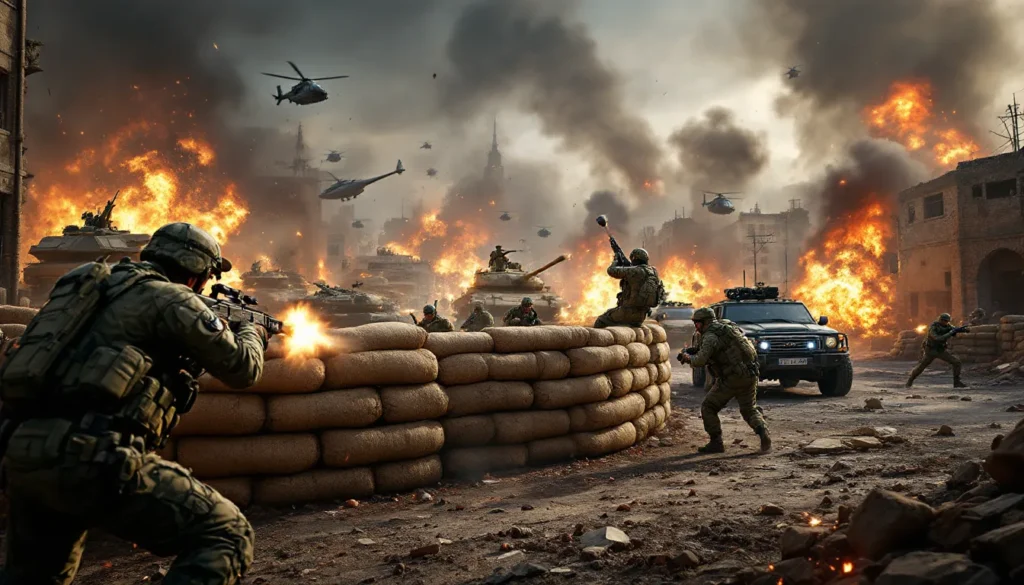
For gamers who crave adrenaline and chaos, the Battlefield series has been the go-to choice for epic warfare. Since its debut, this franchise has unleashed a relentless barrage of explosive action, stunning graphics, and heart-pounding multiplayer mayhem that keeps players coming back for more. Whether you’re storming a beach or parachuting into the heart of enemy territory, each installment brings a unique flavor to the battlefield.
Overview of Battlefield Series
The Battlefield series debuted in 2002, setting a standard in military shooter games. Each title immerses players in a unique historical or modern combat scenario, featuring land, air, and sea battles. Gamers appreciate the franchise’s emphasis on teamwork and large-scale warfare, making the multiplayer experience a focal point.
The first installment, Battlefield 1942, drew players into World War II, showcasing expansive maps and innovative vehicle gameplay. Successive titles expanded on this concept, introducing modern settings and futuristic warfare. In 2005, Battlefield 2 revolutionized online gaming with its robust squad system and strategic gameplay, establishing a template for future entries.
Battlefield 3 arrived in 2011, boasting advanced graphics and physics, enhancing the realism of each engagement. Subsequent iterations, like Battlefield 4 and Battlefield 1, further refined gameplay mechanics and introduced new features. Battlefield 4 focused on modern warfare tactics, while Battlefield 1 transported players to World War I, offering an immersive historical experience.
In recent years, titles like Battlefield V and Battlefield 2042 have sparked discussions among fans, with each game attempting to innovate combat and engagement. Competitive gameplay remains a staple, showcasing players’ skills through various game modes. The franchise continues to evolve with each release, responding to community feedback and industry trends.
With every installment, the Battlefield series solidifies its status in the gaming world, captivating millions and pushing the boundaries of gameplay experiences. Players cherish the franchise for its thrilling action and commitment to providing a dynamic battlefield environment.
Major Installments

The Battlefield series boasts several major installments that significantly shaped the landscape of first-person shooters. Each title introduced new gameplay mechanics, settings, and innovations.
Battlefield 1942
Released in 2002, Battlefield 1942 set the standard for large-scale warfare. It featured engaging battles across vast maps, allowing players to control land, air, and sea vehicles. The gameplay emphasized teamwork and strategic objectives, creating memorable experiences during World War II missions.
Battlefield Vietnam
Launched in 2004, Battlefield Vietnam infused unique elements into the series. Players fought in the Vietnam War, experiencing jungle warfare and authentic vehicles from the era. The asymmetric maps encouraged diverse tactics, making every match distinct and intense.
Battlefield 2
Debuting in 2005, Battlefield 2 introduced a revolutionary squad system that transformed online play. Players communicated and coordinated actions, enhancing cooperative gameplay. Set in a contemporary battlefield, this installment included advanced mechanics and refined graphics, attracting a large competitive community.
Battlefield 3
Released in 2011, Battlefield 3 pushed the series further with stunning visuals and realism. Realistic physics and diverse environments captivated players. Multiplayer modes featured larger maps and new gameplay elements, solidifying its place as one of the standout titles in the franchise.
Battlefield 4
Arriving in 2013, Battlefield 4 improved on its predecessor in various aspects. Dynamic environments and the Levolution mechanic allowed for destructible scenery, altering strategies in real-time. This installment continued to expand the multiplayer experience, providing plenty of action-packed scenarios.
Battlefield 1
Introduced in 2016, Battlefield 1 took players back to World War I. Unique gameplay mechanics and a focus on historical events offered a refreshing perspective. Large-scale battles with iconic weapons and vehicles engaged players, while narratives brought characters to life amid the chaos.
Battlefield V
Released in 2018, Battlefield V revisited World War II with a focus on untold stories. Players engaged in new multiplayer modes and cooperative gameplay with comprehensive customization features. Enhanced graphics and atmospheric elements created immersive experiences on the battlefield.
Battlefield 2042
Launched in 2021, Battlefield 2042 embraced modern warfare trends with futuristic technology. Large-scale maps and dynamic weather effects transformed combat engagements. Players experienced new modes, such as Hazard Zone and Battlefield Portal, encouraging creativity in gameplay and community-driven experiences.
Spin-Offs and Expansions
The Battlefield series includes various spin-offs and expansions that enhance the overall gaming experience.
Battlefield Heroes
Battlefield Heroes debuted in 2009 as a free-to-play game with a unique cartoonish art style. This spin-off focused on accessible gameplay and appealed to a broader audience. Players chose between factions such as National Army and Royal Army to engage in multiplayer battles. Customization options extended to characters, allowing players to personalize appearances and abilities. The game emphasized fun over realism, making it an entry point for new players while retaining some classic Battlefield mechanics.
Battlefield: Bad Company Series
The Battlefield: Bad Company series, including Bad Company and Bad Company 2, introduced a humorous narrative along with engaging single-player campaigns. Players experienced a mix of comedic storytelling and intense multiplayer action. Destructible environments set these installments apart, enabling tactical advantages during combat. Bad Company 2 expanded on the multiplayer experience with unique modes like Squad Deathmatch. Fans appreciated the balance between traditional Battlefield gameplay and fresh elements that invigorated the series.
Battlefield 2142
Battlefield 2142 emerged in 2006, transporting players into a futuristic setting during a global conflict. This game brought armored vehicles and advanced technology into the mix, providing players with new strategic options. Players engaged in large-scale battles across varied maps, featuring iconic modes like Conquest. The unique classes and unlockable weapons encouraged teamwork while delivering a sense of progression. Battlefield 2142 left a significant mark on the franchise, influencing future installments with its innovative concepts.
Gameplay Mechanics
The Battlefield series combines intense military action with immersive gameplay mechanics, elevating both multiplayer and single-player experiences.
Multiplayer Experience
Multiplayer modes stand out with their emphasis on large-scale warfare. Maps accommodate up to 128 players in recent titles, creating chaos and strategic depth. Teamwork is essential, motivating players to coordinate assaults and support each other. Class systems offer roles like Assault, Support, Engineer, and Recon, allowing players to specialize according to their play styles. Vehicles play a significant role, enabling air combat, ground assaults, and naval engagements. Destructible environments enhance realism, as players can collapse buildings or create new paths on the battlefield. Gamers frequently experience a sense of accomplishment through class progression, unlocking new weapons and tools as they advance.
Single-Player Campaigns
Single-player campaigns deliver engaging narratives within each game’s unique setting. They explore personal stories, often depicting the challenges faced by soldiers in historical conflicts. Emphasis on cinematic storytelling draws players into immersive scenarios. Gameplay combines traditional shooting mechanics with tactical objectives, engaging players in diverse combat situations. Missions often require players to adapt strategies based on evolving circumstances and enemy behaviors. Characters develop throughout the story, enhancing emotional investment in the outcome. Players can experiment with various tactics, utilizing the environment to gain advantages during missions. Each campaign provides a distinct experience, showcasing the rich lore and complexities of warfare.
Graphics and Sound Design
Graphics in the Battlefield series consistently push technological boundaries. Each major installment delivers stunning visuals, reflecting advancements in game engine capabilities. Environments teem with intricate details, from realistic landscapes to destructible structures that change gameplay dynamics.
Textures and lighting effects enhance immersion, particularly in titles like Battlefield 1 and Battlefield V. Players experience day-night cycles and weather changes, which impact visibility and strategy. Audio design complements visual elements, creating a truly immersive experience. Sound effects, including gunfire, explosions, and environmental noises, surround players, amplifying tension during intense combat scenarios.
Realistic weapon sounds contribute to the authenticity of the battlefield. Each firearm has a unique audio profile, adding depth to player interactions. In multiplayer matches, voice communication and team callouts further enrich the tactical experience.
Recent games also prioritize spatial audio technology. This feature allows players to detect the direction of sounds, crucial for situational awareness in chaotic environments. The combination of high-fidelity graphics and sophisticated audio design invites players to become fully engaged in their virtual conflicts.
Multiplayer modes benefit from these advancements, as visuals and soundscapes immerse players in expansive battlefields. Destruction mechanics enhance this experience, letting players alter their surroundings and tactics dynamically. Environments become interactive, compelling teams to adapt strategies based on evolving landscapes.
Franchise evolution highlights its commitment to optimizing graphics and sound. Developers continuously integrate player feedback to iteratively refine audio and visual elements. Each installment not only aims to impress visually but also invites players into engaging, lifelike warfare scenarios.
Community and Modding
The Battlefield series has cultivated a vibrant community that engages deeply with each title. Players often collaborate, sharing strategies and experiences through forums and social media platforms. Modding also plays a significant role, allowing community members to create customized content that enhances gameplay.
Modders have produced a variety of mods, ranging from new maps to altered game mechanics, enriching player experiences. For example, Battlefield 1942 has numerous fan-made mods that breathe new life into the classic title, attracting new players while catering to nostalgia. Battlefield 2 also benefits from a wealth of user-created content, showcasing community ingenuity.
Community servers often host unique game modes. Custom rules, altered environments, and themed events keep the gameplay fresh and engaging. These servers frequently attract dedicated player bases, contributing to the longevity of the games.
The community’s passion is evident in fan art, videos, and streams. Many players demonstrate their skills and share their experiences, fostering a sense of camaraderie among fans. Event organizers often host tournaments and contests that spotlight the competitive side of Battlefield.
Player feedback directly influences developers. Dice, the franchise’s developer, actively incorporates community suggestions, addressing concerns about balance and gameplay mechanics. Regular updates and patches reflect ongoing efforts to improve user experience and maintain engagement.
Both the community’s active participation and the modding scene significantly enhance the Battlefield experience. Players continuously contribute to the franchise’s evolution, ensuring its relevance in the gaming landscape.
Conclusion
The Battlefield series stands as a testament to the evolution of military shooter games. Its blend of intense action and immersive environments keeps players engaged across various settings and time periods. With each installment, the franchise pushes the boundaries of technology and gameplay mechanics, ensuring a fresh experience for both new and veteran players.
The strong community surrounding Battlefield fosters collaboration and creativity, enhancing the overall gaming experience. As the series continues to innovate and adapt, it remains a cornerstone of the gaming landscape, captivating millions with its chaotic warfare and strategic depth. The future looks bright for Battlefield as it embraces new challenges and player feedback, ensuring its legacy will endure for years to come.

